


💧
Irrigation & Pump Systems
Plan a practical water-delivery system for farms, gardens and other sites.
- Drip and sprinkler irrigation
- Pump selection and water distribution
- System materials and project support
HydroBora brings water engineering, irrigation, quality products, project support and practical water solutions together in one professional platform.
Every product recommendation is backed by real calculations, not guesswork.
Operating out of Eldoret, Uasin Gishu County — familiar with local project needs.
Reach us directly by phone, WhatsApp or email for quotes and support.
From BOQs and product supply to engineering calculations, in one place.
From engineering and estimation to products and project support, HydroBora connects the technical solution with the materials needed to deliver it.
Plan a practical water-delivery system for farms, gardens and other sites.

Get help identifying plumbing materials and planning pipework for your project.

Turn your drawings, measurements or item list into a clear material request and quotation.

Practical product and quotation support for contractors working on water-related projects.

Get technical support to assess water needs and develop suitable system options.

Find water, irrigation and plumbing products from the HydroBora catalogue.
A few examples from each category. Browse the full catalogue for everything currently in stock.
Explore irrigation methods, pumping and filtration options, system components and the practical steps involved in planning a reliable irrigation scheme for farms, gardens, nurseries and commercial growing operations.
The best method depends on the crop, soil, field shape, available water, energy source, budget and the level of control required. These are the main solution types HydroBora can help customers understand, plan and source components for.
Water is delivered slowly near the plant root zone through emitters or drippers. Suitable for row crops, vegetables, orchards, greenhouses and many water-conscious applications.
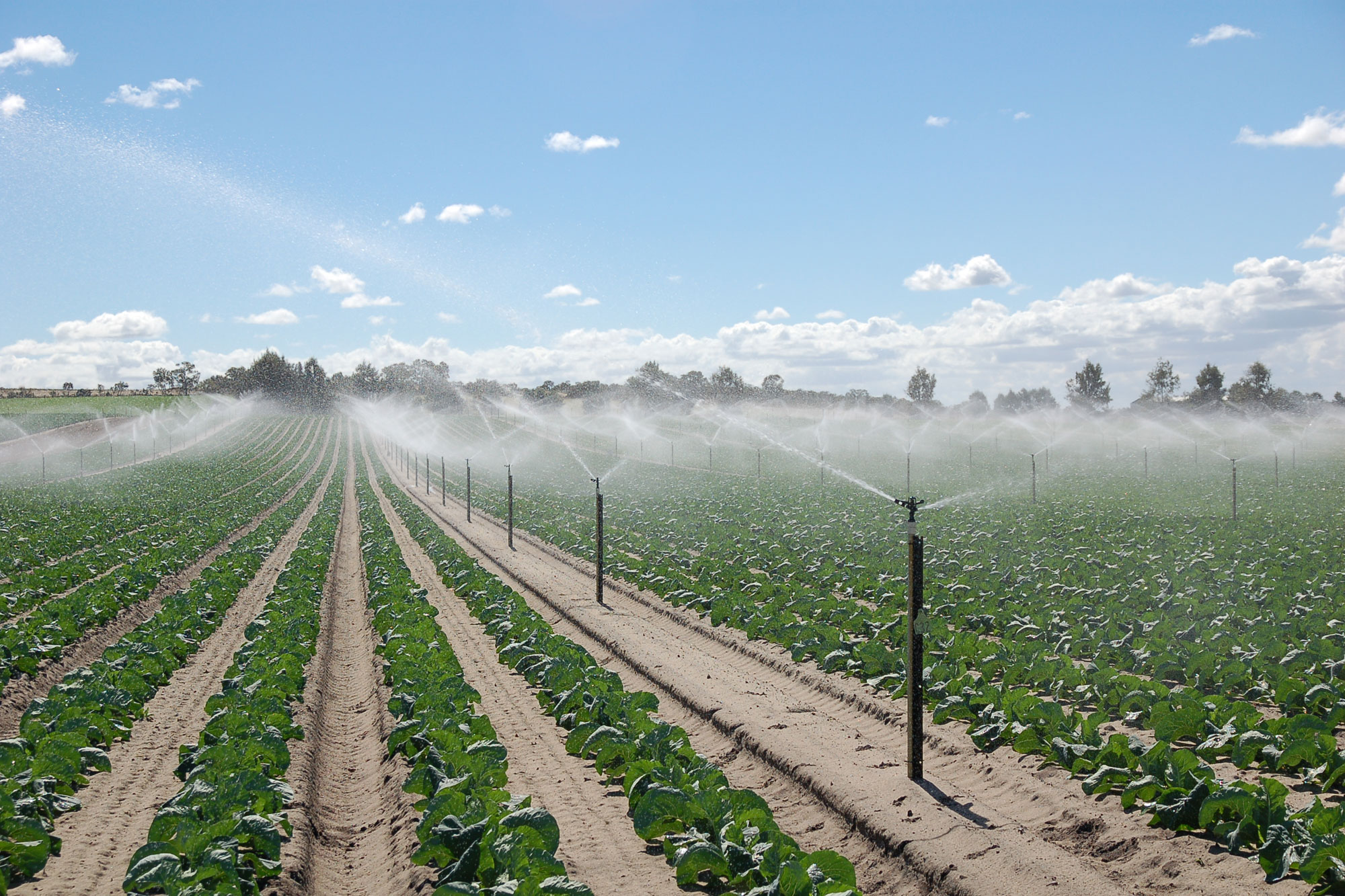
Water is distributed through pressurised pipes and sprinkler heads as droplets. Useful for lawns, pasture, vegetables and field crops when the sprinkler type and spacing suit the site.
High-flow sprinklers and travelling or centre-pivot systems can serve larger areas. They require careful checks of flow, operating pressure, wind, energy and field layout.
Water moves across or along the field under gravity. It may suit suitable land gradients and soil conditions, but requires good field preparation and water management.
Controlled irrigation for greenhouse crops, seedling production and container growing. Drip, micro-sprinklers or misting can be selected to match crop and growing conditions.
Move water from a source to storage, a distribution network or an irrigation field. Pump selection must match the required flow, total dynamic head, source conditions and power supply.
A working system is more than pipes and sprinklers. Components must be selected as one connected system so water reaches each irrigation zone at the required flow and pressure.
River, dam, well, borehole, harvested rainwater or storage tank. Source yield, seasonal reliability, water quality and abstraction constraints should be checked.
Pump, motor, solar array or power supply, starter/controller, protection devices and pump controls sized to the system duty.
Screen, disc or media filters selected for the water source and emitter requirements. Flushing points and maintenance access are essential.
HDPE, PVC or other suitable pressure-rated pipes, fittings, tees, reducers, air valves, non-return valves and isolation valves.
Zone valves, pressure gauges, flow meters, pressure regulators, controllers and timers to operate and monitor the system.
Drip tape, drippers, micro-sprinklers, impact sprinklers, rain guns or other emitters selected for the crop and layout.
Support can be matched to the stage of your project—from identifying the need and preparing a materials schedule to product supply and technical coordination. The exact scope is confirmed after reviewing the site and project requirements.
Discuss crop, acreage, water source, elevation, power availability, soil, terrain and the customer's objectives.
Compare suitable irrigation methods, zoning, pumping approach, filtration and distribution arrangements.
Identify pipes, fittings, valves, filters, pumps and application equipment; prepare an itemised BOQ or quotation where requested.
Coordinate the agreed products and technical information. Site work, installation and commissioning are subject to scope and availability confirmation.
Use this quick guide to narrow down a possible approach. It is an initial guide only—not a final design, pump selection or engineering specification.
Farm location, irrigated area, crop type and spacing, planting calendar, growth stage and expected irrigation schedule.
Source type, reliable flow or yield, water level, seasonal changes, storage volume and basic water quality information.
Source-to-field distance, elevation difference, field dimensions, slope, access routes and proposed pipe routes.
Solar or electrical availability, operating hours, desired automation, maintenance capacity and budget range.
Soil texture and infiltration, drainage, rainfall pattern, wind exposure and local evapotranspiration conditions.
Photos or specifications of any existing pump, pipes, filters, tanks, sprinklers or drip lines that may be reused.
Final system design and equipment sizing require verified site information and calculations. The guide above does not replace a site assessment, hydraulic design or manufacturer's operating specifications.
Share your farm details or ask HydroBora about irrigation components and project support.
Explore water supply, drainage, pipework, fittings, valves, storage and pumping arrangements for homes, businesses, institutions and project sites. HydroBora helps with product identification, system planning, materials schedules and supply enquiries.
Choose materials and layouts according to the water, pressure, temperature, installation environment and applicable standards. The examples below are solution areas—not a substitute for site-specific design.
Plan the route from the source or storage tank to taps, showers, appliances and outlets, considering pressure, pipe sizing, isolation and maintenance access.
Hot-water lines need materials and fittings rated for the intended temperature and pressure, with suitable isolation and allowance for thermal movement.
Collect and convey wastewater using correctly graded pipework, accessible inspection points and appropriate fittings.
Valves help isolate, regulate, prevent reverse flow and protect equipment. Select the correct valve type, size, pressure class and installation direction.
Where incoming supply or elevation is insufficient, storage and pumping may be considered after checking demand, source reliability, head and operating pressure.
Identify the cause before replacing components. Leaks, low pressure, recurring blockages and water hammer can have different causes and require appropriate diagnosis.
Commonly used for buried or exposed water distribution and pressure pipelines when the grade, SDR/PN rating, joining method and operating conditions are appropriate.
Often used in building water-supply installations, including hot and cold services, with compatible fusion fittings and installation practice.
Used in suitable pressure-water applications. Confirm pressure class, solvent-cement compatibility, temperature limits and installation requirements.
Used for gravity drainage and soil/waste conveyance. Correct diameter, gradient, traps, ventilation and access are important.
Possible checks include source pressure, tank level, partially closed valves, clogged filters, leaks, undersized pipework and pump performance.
Check joint compatibility, installation technique, pipe support, pressure surges, movement and whether the pipe rating suits operating conditions.
Consider blockage, insufficient gradient, poor venting, trap obstruction or a damaged line. Avoid using unsuitable chemicals that may damage pipes.
Sudden valve closure, high velocity, loose supports or pressure issues may contribute. Diagnosis should precede adding control devices.
Prepare your pipe sizes, photos, layout or list of required fittings for a more accurate discussion.
BOQ and quotation support for water supply, plumbing, irrigation, pumping and rainwater projects. Start with drawings, measurements, specifications or a rough item list; the scope and level of detail are agreed for each enquiry.
Identify and measure items from available drawings, schedules or site measurements, recording units and quantities transparently.
Apply confirmed unit rates and clearly identify items that require supplier pricing, site verification or specification clarification.
Present an itemised offer that makes it easier to review scope, quantities, prices, validity and delivery assumptions.
Organise the technical details needed to procure or compare materials, subject to the design information supplied.
Send drawings, sketches, dimensions, specifications, site photos or a typed list. State the project location and intended use.
Clarify what is included, measurement basis, preferred brands or standards, units, delivery requirements and any missing information.
Quantities are checked against the supplied information. Prices are based on confirmed catalogue or supplier rates; unknown prices remain unconfirmed.
Review descriptions, units, quantities, exclusions and notes before using the document for procurement or project decisions.
PDF or clear photos of plans, sections, details, pipe routes, lengths, levels and dimensions.
Required flow, pressure, pipe material, diameter, pressure rating, pump duty, standards or specified brands, if known.
Project type, location, intended users, construction stage, delivery point and target procurement date.
Send the drawings or item list and explain what needs to be priced or measured.
HydroBora supports contractors, fundis, installers, farms, institutions and project teams with product identification, material schedules, pricing enquiries and supply coordination for water-related works.
Review item descriptions, sizes, material types and technical requirements to reduce ordering errors.
Organise quantities and pricing information for estimates, tender schedules and project budgets.
Discuss availability, product alternatives, order quantities and delivery arrangements before confirming an order.
Access product information and discuss technical questions about the supplied materials and their intended application.
Organise outstanding material requirements and records for handover, maintenance or future procurement.
Support areas include water supply, plumbing, irrigation, pumping, storage, drainage and rainwater harvesting.
Use this checklist to prepare a clear enquiry. Final specifications and quantities must be confirmed by the responsible project professional.
Project name, site location, client or organisation, project contact and required delivery point.
Drawings, BOQ, specifications, photos, material schedule and any approved substitutions.
Pipe sizes, pressure ratings, material standards, quantities, equipment duty and compatibility requirements.
Required delivery dates, phased supply needs, site access and unloading arrangements.
Share your BOQ, drawings or materials schedule for a project-specific discussion.
Explore water-resource and infrastructure planning for supply, storage, pumping, distribution, rainwater harvesting and agricultural water use. Engineering recommendations depend on verified site data, applicable approvals and the agreed project scope.
Estimate present and future water requirements for households, institutions, livestock, farms and other users using stated demand assumptions and design criteria.
Review the available source and the information needed to establish whether it can meet the intended demand reliably.
Plan how water is conveyed, stored and distributed to users while considering elevation, pressure, losses, operational needs and future expansion.
Assess the flow and head requirements for lifting or boosting water and identify the information needed for pump selection.
Estimate potential roof runoff and consider gutters, downpipes, first-flush arrangements, storage and intended end uses.
Consider water availability, crop requirements, conveyance and irrigation efficiency as part of a farm water plan.
Identify users, service levels, demand, existing infrastructure and the project objectives.
Gather site location, levels, source information, flow measurements, rainfall, drawings, water quality and relevant constraints.
Compare technically suitable options, operational requirements, lifecycle considerations and indicative costs.
Depending on scope: calculations, concept layouts, material schedules, BOQs, technical notes or recommendations for further investigation.
County, site access, terrain, elevations, land use, available plans and photographs.
Number and type of users, daily requirements, peak periods, livestock numbers or crop area.
Source type, measured yield if available, water-quality results, existing pumps, pipes, tanks and power supply.
Bring your site details, water demand and available source information for an initial discussion.
Browse HydroBora's product catalogue for water supply, plumbing, irrigation and project materials. Check product descriptions and displayed catalogue prices, then confirm current stock, specifications and delivery before ordering.
The catalogue is the source for currently listed products and prices. Product availability and suitability should be confirmed for the intended application.
Pressure pipeline products for suitable water conveyance applications. Check diameter, PN/SDR, material grade and joining compatibility.
PVC pressure pipes, fittings and valves for applications within the product's specified pressure and temperature limits.
Building water-supply pipework and compatible fittings. Confirm hot/cold application, diameter and fusion requirements.
Isolation, non-return and flow-control products to suit the pipe system, pressure rating and operating conditions.
Drip, sprinkler, filtration, connectors, control and distribution components for irrigation layouts.
Pumping and water-transfer equipment. Selection depends on flow, head, source, power and system duty—not just outlet size.
State whether the item is for water supply, drainage, irrigation, pumping, storage or another use.
Provide diameter, material, pressure class, connection type, temperature and any required standard or brand.
Ensure pipes, fittings, valves, seals and joining methods are designed to work together.
Use catalogue prices as displayed guidance and confirm stock, final price, delivery and any alternatives before payment.
Open the live catalogue to view listed products and displayed prices.
Practical engineering tools for water, irrigation, pumping, plumbing and rainwater work — built right into this page.
TDH = static head + friction losses + minor losses + required pressure head.
Design head = TDH × (1 + safety margin).
Hydraulic power is estimated using P = ρgQH.
Final selection must be checked against the manufacturer's current Q-H curve, efficiency, NPSH, motor data and actual system conditions.
Crop demand, irrigation duty, pipe sizing and irrigation networks.
Quantity take-off, rates, material schedules and quotations.
Kenya-focused reference library for applicable laws and standards.
Surfaces, profiles, pipe networks, drawings and design references.
Search the wider web for water, irrigation, plumbing and engineering opportunities. This uses your browser's internet connection, not the HydroBora database.
Search or browse the complete HydroBora product catalogue.
HydroBora is built around a simple idea: identify the water problem, develop a practical solution, supply the right products and support implementation.
HydroBora is designed to connect technical knowledge with practical project delivery. Whether the need is a pipe, irrigation system, pump, rainwater harvesting solution, quotation or project support, the goal is to make the process clearer and more practical.
Water • Irrigation • Plumbing • Engineering • Supply
Submit your project or product request and HydroBora can review the requirements and respond with the appropriate quotation.
Contact HydroBora for products, project support, quotations and water-related engineering solutions.
Start by telling us what you need. You can request a product quotation, describe a project, or ask for technical support.
Request a QuoteOnly authorised HydroBora administrators can manage the product catalogue.